Social Media: From Shouting to Conversation
by Member of TrueSocialMetrics team ~ 4 min

The era of TV commercial, printed press, radio and other “monologue-marketing” channels has passed into shadow. The main benefit of the new communication channels is a user response. But, got used to the old channels, marketers still use the new ones by the same scheme: omnipresently shouting about their brand, not counting on response. It is amazing how many marketers and business owners still think that good social media presence is about posting as much as you can and bragging about your brand. While TV ads is like a napalm - covers lots of unsuspecting civilian watchers, social media marketing is more of a conscious users’ choice to hear you. So don’t shout or your followers will cover their ears.
An example of an awful practice is to post the same message several times so that all followers would see it. The better idea is to find out the best time to post, the time most of your user base are active on each social network. And simply cross-post the important message to several social networks, try to reach your customers through the different channels. If they won’t see you Christmas Sale message on Twitter, probably they would notice it on Facebook. You can even use Google analytics to find blog post timing insights.

Although, usually it is better to post different messages to different social networks to make all your social pages compatible and valuable for user. Because what’s the point following you in Twitter, Facebook and Google plus just to read the same messages three times. I call it Pages Cannibalism when your own social media pages should compete for your followers with each other. Instead, encourage them to follow you everywhere by providing valuable different content on each social media page.
A great strategy for conversational marketing is Avinash Kaushik’s utility marketing concept. In a nutshell it means providing something valuable for your users, if even just remotely related to your brand, becoming the part of their lives, making them appreciate your company and want to use your products. In his article Avinash gives an example of that strategy in mobile marketing by providing free valuable mobile apps, e.g. P&G did it with My Beauty Adviser app.
And the most obvious but the most ignored advice - Respond to your followers! Sad statistics for the previous year says that:
- 55% of companies ignore all customer feedback on Twitter and Facebook, largely because they have no process in place to respond
- On average companies only respond to 30% of social media fans’ feedback
- 56% of customer tweets to companies are being ignored
You can say that it is easier said than done, especially for big companies with millions of fans. But I will object, it’s a matter of desire. The admirable example is Pizza Hut. I recently mentioned them on Twitter and only 2 hours! later I received a meaningful response from them. They actually read my post and article mentioned in it. And that’s with 151 000 followers! No more excuses, go and respond. There are more than 200 social monitoring solutions on the market and lots of them are free, plenty to choose from. Monitor and respond.
Unfortunately, even the metrics most people use to measure the effectiveness of social media presence encourage them to shout, not to converse. Gaining more Followers to shout at, improving following to followers ratio, even calculating the ultimate number of Likes, Shares, Comments without any relevance to the number of Posts or Active Followers. This creates an infinite loop - measuring shouting encourages even more shouting.
The better idea for metrics - analyzing engagement on the post level that would help you identify the best topics which trigger response from your users in three main ways - comments, shares, likes/favorites. But beware of compound engagement metrics, each way of response are better measured independently if you want to get actionable insights how to improve your social media presence.
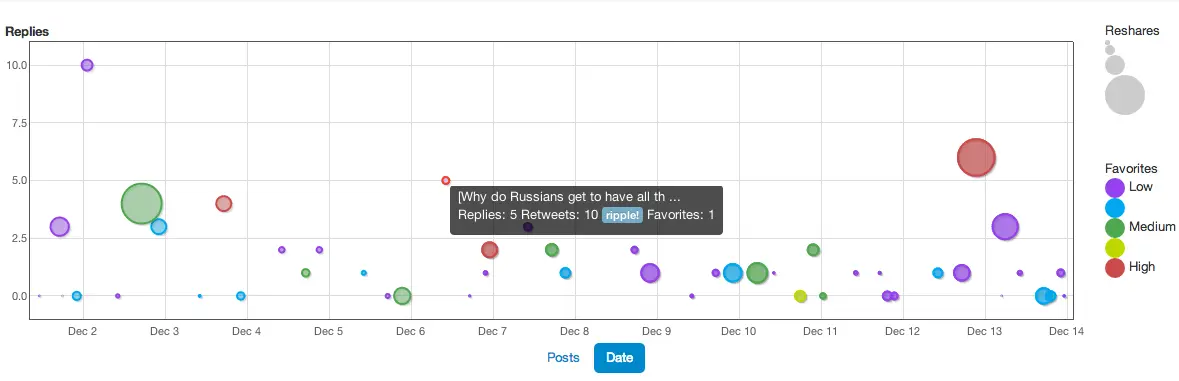
You can get such analysis in a matter of seconds and free here at TrueSocialMetrics for 8 top social networks.
For too long the Shout-marketing has dominated the web. It’s time to throw the Ring of useless one-way marketing into Mount Doom and start making valuable conversation with your customers.
P.S.: “Social media users who receive excellent customer service from brands spend on average 21% more than non-social customers”. So each time you shout and not converse, you lose money.
When you’re ready to rock your social media analytics
give TrueSocialMetrics a try!
Start Trial
No credit card required.
Continue reading
Why Measuring the Number of Followers is a Bad Idea

Editorial Calendar Template to Save Time and Boost Your Social Presence

Static Files as a Database

Google Analytics Hacks
